Plants draw the nutrients they need to grow from the soil. Those nutrients usually need to be replenished every so often for the healthiest growth, no matter which type of soil you have. This is especially true for the soil where you grow annual flowers and vegetables, which suck up a lot of nutrients to fuel their rapid growth. Luckily, it's easy and inexpensive to restore nutrition by adding high-quality compost and/or granular or liquid fertilizer products as needed. If you're not sure if you need to add nutrients, a soil test is a quick way to check.

To add nutrients and to replace organic matter as it breaks down, add 1-2 inches of compost to your garden beds in the fall. Then you'll be all set for spring and can just add a layer of mulch after cleaning up and planting your beds for the new growing season. Regularly spreading organic matter over the soil surface is the best long-term solution to soil compaction.

Organic matter includes compost, shredded leaf mulch, wood chips, straw and chopped leaves. Apply a 3- to 4-inch layer of compost or a layer of wood chips or shredded leaf mulch 2 to 3 inches deep over bare soil in flower beds. Without any further help, soil organisms will incorporate the organic matter and begin to open up the soil.

If you'd like to quickly break up a hard soil surface for planting, mix the organic matter into the top 3 to 6 inches of soil with a spade. To help soften hard soil in a vegetable garden, add a 2-inch layer of compost twice a year and mix it into the top 2 inches of soil. If the soil in your garden or vegetable patch is bare over winter, spread a layer of mulch over it to protect it from heavy rainfall. You can improve clay soil, but don't work it when it's wet, and avoid walking on it so it doesn't become compacted.
When it's dry, add three to four inches of organic materials, such as compost, leaf mold or well-rotted manure , and work them into the soil about six inches deep. Mulch the soil with bark, wood chips or some other type of mulch that decomposes slowly. Over time, the sun and rain break down the mulch, which will also improve your soil.

With this bounty of organic matter, I made mulches that I layered onto all the new garden beds. Previous gardening adventures taught me how backbreaking and time-consuming it is to mix things into the soil. The more I dug and turned the soil, the more likely I'd maim or kill earthworms and smaller organisms like beneficial nematodes and mites. The take-home lesson was pretty clear—and convincing. Whether it's gardeners using shovels or farmers using discs and plows, these practices disrupt some of the grandest symbioses on the planet. For around the roots of plants growing in healthy, life-filled soils, a biological bazaar hums with activities that underpin the well-being of the botanical world.

Unlike sandy soil, clay soil holds moisture well—sometimes too well. Fine soil particles stick together, allowing little room for drainage or for air to reach plant roots. The solution is to break up the soil and add lots of organic matter such as compost, shredded leaves, peat moss and gypsum over time.

If these materials are not available or if the soil is in poor physical condition the plants will not grow and develop properly. Take care of the soil during the growing season by applying starter fertilizer and by side dressing with fertilizer. No matter where you garden, it's worth improving the quality of the topsoil you've got. After all, plants rely on topsoil, the uppermost layer of the earth's surface, for water and necessary nutrients. The more organic matter it has, the darker the soil will look (like what you may see sold in bags or bulk as "black dirt").

This type of soil is very easy to dig in and support healthy plant growth. However, the type of soil in your yard may look very different. Depending on your region, it can vary from reddish clay to beige sandy soil. Here's what you need to know about improving your topsoil.

I always see things on how to work with sandy, silty, or clay soils, practically nothing on peat soils. I moved to an area this last Fall, that had a lot of glacier activity and is a meadow or grass land now. We would like to grow a garden, but we have black peat soil for about 14 feet down.

I used a home soil test and found no nitrogen in the soil. There is some phosphorus and a small amount of potassium. What should we do to our soil to be able to grow a vegetable garden and fruit trees? Weighty gardening equipment, foot traffic and heavy downpours cause soil compaction, and clay and loam soils are most susceptible. However, even sandy soils can harden when compressed by heavy equipment.

Excessive weight and rain close the open pores between the soil particles; as a result, the soil hardens. Clay soils often drain very slowly after rainfall, and then they harden and crack when the weather turns dry and warm. To avoid compacting soil, create paths to avoid walking on growing areas. Don't dig the soil excessively or when it's wet, and don't mix sand into clay soil, which makes it like concrete.

Chop over-wintered cover crops directly into spring soils a few weeks before planting. During the growing season, sow a quick-growing cover crop, such as buckwheat, to fill the gap between spring and fall crops. When it's time to plant, pull the buckwheat cover and use it as a mulch for fall garden beds. Mulching – Clay soils can tend to speed water runoff because water isn't absorbed as quickly into clay soils as it is other soils. Clay soils also tends to stick to the bottoms of your shoes, which can make a mess when you go indoors. By adding a layer of mulch to clay soil, you not only help keep the house clean, but can reduce the number of weeds that sprout.

As mulch decomposes,it will enhance nutrition and water retention, which ultimately allows for better plant growth. Mulch will slow down water run-off allowing clay soil more time to absorb, and store, water. A layer of mulch is also cooler than exposed soil which helps to reduce temperatures overall in the garden. Cover crops help break up hard soils with their roots and by adding plant matter to the soil. Sow cover crops when the soil is bare, such as over winter. Before planting the area with desired plants in spring, dig up the cover crop and bury the plants in the soil.

Cover crops include buckwheat , cereal rye and crimson clover , which are annual plants that naturally die down at the end of their growing seasons. Department of Agriculture plant hardiness zones 10 through 12, and cereal rye is hardy in USDA zones 3 through 7. Crimson clover is a winter annual in USDA zones 6 through 9 and a summer annual in zones 3 through 4. Adding organic matter in the form of compost and aged manure, or using mulch or growing cover crops , is the best way to prepare soil for planting. Adding chemical fertilizers will replenish only certain nutrients and do nothing for maintaining good, friable soil.

Organic matter will help supply everything your plants need. Organic soil is rich in humus, the end result of decaying materials such as leaves, grass clippings and compost. Good organic garden soil is loose and fluffy — filled with air that plant roots need — and it has plenty of minerals essential for vigorous plant growth. It is alive with living organisms — from earthworms to fungi and bacteria — that help maintain the quality of the soil. Proper pH is also an essential characteristic of healthy soil.

How To Turn Hard Soil Adding organic matter is the best way to make your soil more loam-like and improve its structure. Another option is to build a raised garden bed and fill it with a well-balanced soil mix. Or take the simple approach by growing plants that do well in your soil type, such as choosing drought-tolerant plants for sandy soils. You can grow a garden successfully in any soil, as long as the plant's roots are accustomed to the conditions. Compost is decomposed organic matter, and it is the best thing you use to improve the health of garden soil. Organic matter in soil serves as food for earthworms, insects, bacteria and fungi-they transform it to soil nutrients and humus.

Through this decomposition process, materials are made available as foods to growing plants. In finely textured clay soils, organic material creates aggregates of the soil particles, improving drainage and making it easier to work. Earthworms are especially helpful in making and keeping soil porous and well draining, said Brewer.

Bark, sawdust, manure, leaf mold, compost and peat moss are among the organic amendments commonly used to improve clay soil. Two or three inches of organic materials should be spread and rototilled, forked or dug into the top six or seven inches of your garden beds. Compaction is most likely to occur with heavier soils like clay and loam, but when heavy equipment is used, sandy soils can become compacted. These are soil particles that are packed closely together.

The problem may be compounded by events that have happened to the soil over the course of years. The pore spaces are reduced to the point that air and water cannot move freely and plant roots cannot grow easily into the surrounding soil. The soil could remain overly wet longer than is healthy for the plants growing there. Heavy or hard soils contain a high percentage of clay and low amounts of silt and sand, resulting in compacted soil that becomes difficult to till.

This proves especially true when the clay soils become devoid of organic material, which lightens soil texture by preventing all of the clay particles from sticking together. Improving a clay soil lawn or garden by adding decomposed organic material, such as compost, not only improves workability but increases fertility. In order to have loose, fertile soil you must add fresh organic material into your garden every season. Peat moss loosens the soil but doesn't feed it, so the next step is to add aged manure or compost. If you don't have compost on hand, consider getting some Mushroom Compost.

This wonderful dark, rich, moist mixture will fertilize your plants while breaking up clay soils. It is a quick, sure-fire way to boost the performance of almost everything you grow. It can encourage the growth of weeds by bringing dormant seeds to the surface and exposing them to sunlight. It can disturb the beneficial burrowing activities of earthworms — the best free labor you can get for loosening and aerating your soil. It can also interfere with the activity of important soil microorganisms.

Despite these negatives, tilling is still a viable option if you need to work organic matter and nutrients into sticky clay soil or a new garden bed that's heavily compacted. After that initial deep tilling, you can often let nature take its course to improve the structure of your soil. To get the organic matter down to root level, use a garden fork to mix the material into the top 4 to 6 inches of soil. In vegetable gardens, which usually contain annual or biennial plants, you can amend your soil each season. Perennial gardens should be amended prior to planting so you won't disturb the plant roots.

Many perennials must be dug up every few years for division, providing a good opportunity to work in additional organic matter. Some gardeners recommend adding sand to amend clay soils, but numerous university extension experts advise against this, as adding too little can actually make the problem worse. Fortunately, sandy soil is easy to dig, so work in two or three inches ofpeat moss or perlite to help it retain water. To add nutrients, work in compost, leaf mold, well-rotted manure or other organic matter. Liquid fertilizerscan move through sandy soil too fast to benefit plants. Compost is a must--it will improve your soil immediately and introduce microorganisms that will continue improving your soil by further breaking down organic matter.

Add as much as you possibly can; it really is nearly impossible to overdo it with compost. Side-dress your plants with it throughout the growing season, and add more in fall when you are putting the garden to bed--you will see improvement in no time. For a large vegetable garden, another solution is to grow a cover crop at the end of the season, then mow and turn in the following spring before planting. The roots penetrate the compacted soil and loosen it. By mowing and turning the mowed tops in, the soil is additionally loosened.

Cover crops could include annual ryegrass, winter wheat, winter rye, buckwheat, oilseed radishes and hairy vetch. Adding organic matter is the key to loosening hard soils. The mineral particles in hard soils are pressed closely together, leaving little room for the air and water that plants need. Earthworms and other soil organisms draw the compost, leaf mulch or other matter down below the surface, breaking up the compacted particles. You can lightly dig organic matter into the top few inches of soil to help speed up the process.
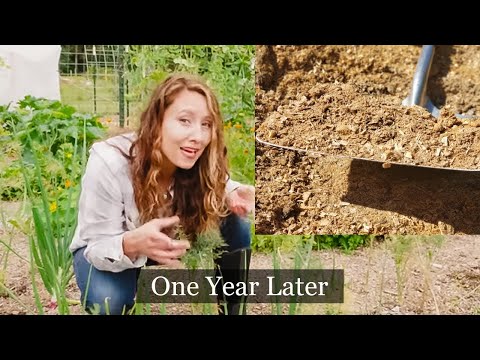
Good soil provides just the right space between its particles to hold air that plants will use. Silty and heavy clay soils have small particles that are close together. Sandy soils have the opposite problem; their particles are too big and spaced out. The excessive amount of air in sandy soil leads to rapid decomposition of organic matter. Your soil test or extension agent can help you determine the right amount of organic matter for your soil. In following years, build on your efforts by adding 1 to 3 inches of organic mulch as a topdressing each year.1 As it decomposes, it continues to gradually improve clay soil.
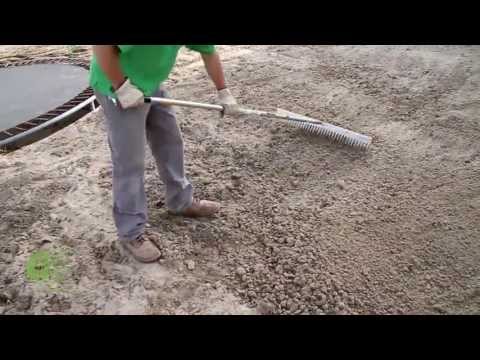
Clay's potential as one of the best soil types for plant growth lies in its unique properties. Managed well, clay soil typically requires less irrigation and less fertilizer, and leads to healthier plants all around. To answer how to grow grass on hard-packed dirt quickly, first, you should loosen the hard-packed dirt with proper gardening tools. Opening up hard-packed soil allows air and moisture into the soil to help roots get the nutrients they need.

Next, remove any dead roots that might be in the hard-packed soil, these roots could be drying the soil. Finally, add grass seed with some topsoil or apply sods on the top surface. Topsoil is a good choice for filling up raised beds, repairing eroded spots, or filling in holes.

When planting a new lawn or overseeding a patchy lawn, you can use a thin layer of topsoil to protect grass seeds as they sprout. One thing you shouldn't use topsoil for is filling your containers. It won't drain as well as you need it to in a container, and it makes your pots very heavy. Stick with potting mix($7, The Home Depot) for containers, and use topsoil in garden beds. Before planting every year, ensure sufficient nitrogen by counting all the sources you've added. Organic fertilizers, such as blood, seed, or feather meal, are sources of concentrated nitrogen.


No comments:
Post a Comment
Note: Only a member of this blog may post a comment.